OEM vs Third Party Robot Repair Which Option Is Best for Semiconductor Facilities

Wafer handling robotics are the backbone of modern semiconductor manufacturing. Degradation of an atmospheric transfer arm, vacuum load lock manipulator, or precision aligner immediately reduces wafer throughput within an ISO Class 1 cleanroom. Facility managers now face a tactical crossroads: return the hardware to the original equipment manufacturer (OEM) or work with a specialized independent partner.
When you select a semiconductor robot repair services specialist, you must balance strict vendor guarantees with the realities of your production schedule. The decision to go with an OEM versus a third-party supplier has a direct impact on your fab’s uptime and long-term bottom line. Whether it's unexpected motor failures or just routine bench overhauls, the right service model keeps tools moving without blowing past your maintenance budget. Comparing how each manages spare parts inventory, legacy tool support, and turnaround times makes it much easier to determine which option is best for your facility.
The Core Dilemma - OEM Direct Service or Third Party Agility
The wafer handling platforms are designed by the original equipment manufacturer according to very strict engineering tolerances. Working through the OEM allows you to get proprietary firmware, genuine factory replacement parts, and technicians trained on particular revisions of the tool. However, such support entails a rather high price tag. The service contracts from the OEM frequently entail extremely strict deadlines, lengthy turnaround times, and premature EOL (end of life) declarations.
By contrast, third-party specialists handling applied materials robot repair focus on quick turnarounds, component-level troubleshooting, and flexible scheduling tailored to your fab's needs. When a robotic assembly is worn out, independent specialists rebuild the worn linkages, replace degraded optical encoders, and recalibrate drive electronics rather than replace the entire assembly. This surgical approach decreases overall downtime, but keeps legacy toolsets that OEMs are no longer actively supporting.
Technical Comparison - OEM vs. Third-Party Maintenance
Comparing OEM service contracts against independent third-party robot repair highlights clear trade-offs between factory guarantees, lead times, and overall maintenance spending.
.jpg)
Key Criteria for Evaluating Your Service Strategy
Determining which model aligns with your facility depends on tool criticality, line balance, and hardware maturity.
Turnaround Speed and Hot-Swap Capability
When a transfer robot fails on a high-throughput etching or lithography cluster, every idle hour erodes profit margins. OEM repair channels frequently involve offshore shipping pipelines, custom clearances, and long queue times. Independent repair centers maintain domestic inventories of pre-calibrated assemblies. When evaluating semiconductor robot repair services, engineering teams must weigh lead times against tool criticality - opting for partners that offer hot-swap programs to restore wafer motion within hours rather than weeks.
Legacy Hardware Longevity
Fab life cycles often extend decades beyond an OEM's official support window. When a manufacturer designates a legacy robot series as end-of-life, obtaining replacement motors, drive belts, or board-level electronics becomes difficult. Independent specialists fill this void through custom fabrication, component re-engineering, and comprehensive equipment refurbishment. Extending the life of installed tools avoids the massive capital expenditure and process re-qualification required when commissioning brand-new hardware.
Operational Expenditure and Budget Control
Maintaining high-volume robotic platforms accounts for 5% to 15% of total equipment purchase value every year in ongoing maintenance. Implementing structured maintenance programs through responsive third-party partners generates up to 20% in direct operational material savings while boosting tool availability. These budget efficiencies allow engineering teams to redirect capital toward yield optimization and process development rather than routine hardware upkeep.
Strategic Refurbishment and Preventive Workflows
To maintain continuous line throughput, leading fabs deploy a hybrid approach. They rely on OEMs for specialized tooling under active warranty, while trusting independent experts for ongoing automation support and PM overhauls across mature production tools.
Key steps for maximizing robotic uptime include-
Predictive Diagnostics- Monitoring motor current draw and positional drift to catch bearing wear before catastrophic binding occurs.
Rotational Spares Management- Staging fully refurbished replacement arms on-site for immediate swap-out during scheduled PM cycles.
Precision Recalibration- Ensuring post-repair teaching matches exact station coordinates to prevent cassette misalignments and wafer scratching.
Concluding Thoughts
Selecting either OEM warranties or third-party responsiveness depends on your fab’s needs. Although OEM warranties ensure reliable backup from the company you trust when using its brand-new products, it makes sense to use semiconductor robot repair services designed for older equipment, so you can manage costs and get the flexibility you need.
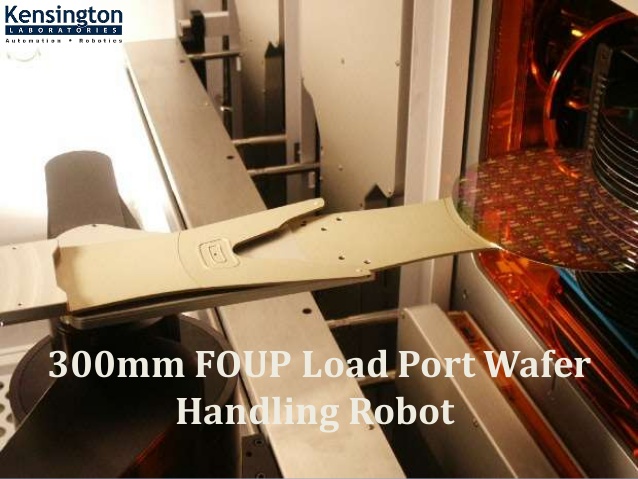
Partnering with dedicated specialists like Kensington Laboratories- a leader in high-precision robotics and automation - ensures your wafer handling systems deliver uncompromised performance across every shift.


Comments
Post a Comment